Freemasonry means different things to each of those who join. For some, it’s about making new friends and acquaintances. For others, it’s about giving back—making a meaningful contribution to society and family life. But for most, it becomes an enriching and enjoyable part of life.
As one of the world’s oldest and largest non-religious, non-political, fraternal and charitable organisations, Freemasonry teaches self-knowledge and personal development through structured learning and experiences. Members are expected to be of high moral standing and are encouraged to speak openly about their involvement and values. Candidates should be sincere in improving their intellectual, spiritual, and moral conduct, without seeking personal or professional gain from membership.
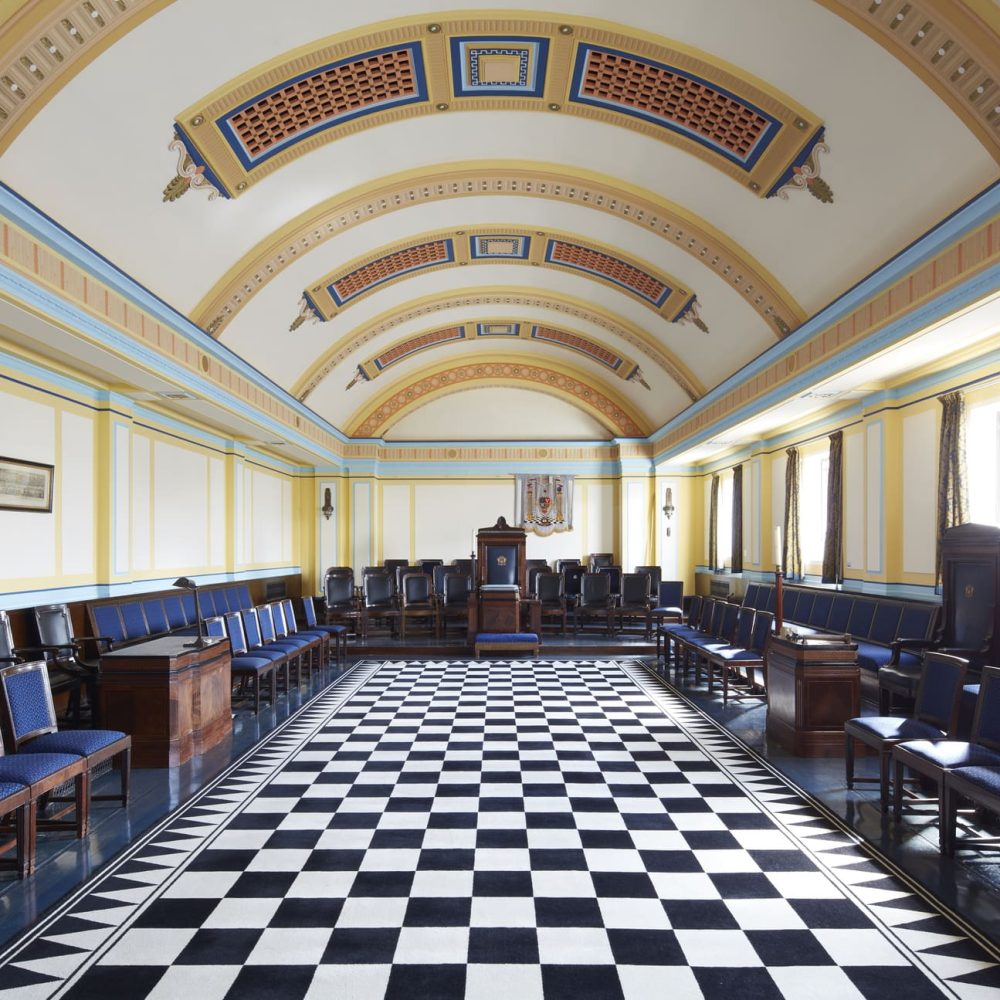
Lodge meetings are structured but welcoming, and generally consist of two parts.
First, there are administrative matters such as:
The second part may include:
Following the meeting, members often enjoy a shared meal and time to connect.
New members make solemn promises concerning their conduct both in the Lodge and in their personal lives. These oaths reinforce Freemasonry’s moral framework and include promises to maintain confidentiality about certain modes of recognition and to support fellow members in times of need—so long as it does not conflict with family or civic responsibilities.
Certainly not. Freemasonry explicitly forbids seeking or offering preferential treatment or material gain through membership. Every candidate is required to declare that they expect no personal advantage from joining.
Freemasonry supports a wide range of charitable causes. While some Masonic charities provide assistance to members and their families, many also make significant donations to non-Masonic organisations. Areas of support include healthcare, education, disaster relief, and social development.
Freemasonry is not a religion and does not replace or conflict with an individual’s faith. It requires members to believe in a higher power, often referred to as a “Supreme Being,” but never dictates religious doctrine. Freemasonry focuses on one’s relationship with others and one’s moral and ethical conduct—not one’s relationship with God.
Some religious groups have misunderstood Freemasonry’s values and ceremonies, mistakenly equating them with religious rites. However, Freemasonry actively encourages its members to participate in and strengthen their individual faiths. Many practising Freemasons are also active members of their churches, synagogues, mosques, and temples.
Yes. Freemasonry is inclusive of all faiths. Historically, four Grand Masters of English Freemasonry have been Roman Catholic, and today many Roman Catholics are active Freemasons.
Freemasonry never comments on political matters or state affairs. Political discussion is strictly prohibited in Lodge meetings to maintain harmony and inclusivity among members.
Yes, Freemasonry is a global fraternity. However, each Grand Lodge is independent and sovereign, and there is no single governing body for international Freemasonry. Lodges around the world operate under recognised Grand Lodges that share similar principles.
Yes. While English Freemasonry as governed by UGLE (United Grand Lodge of England) is open only to men, there are separate Grand Lodges exclusively for women. Both male and female Freemasons uphold the same values of integrity, service, and fellowship.
Regalia is a symbolic representation of a member’s role and responsibilities within the Lodge. Similar to a uniform, it reflects history, structure, and tradition. The apron, in particular, is a key symbol of a Freemason’s journey and moral conduct.
There are over 250,000 Freemasons under the United Grand Lodge of England. In Ireland and Scotland, Grand Lodges represent approximately 150,000 additional members combined. Globally, it is estimated that there are around six million Freemasons.
Basic Freemasonry includes three degrees:
After initiation, members progress through these degrees, each representing stages of learning and personal development. Advancement occurs through participation and involvement within the Lodge.
Costs vary between Lodges. Typically, a once-off initiation fee of R4,000 to R4,500 is required, which often includes the first year’s membership. Ongoing annual dues start from around R3,000. Other costs may include the purchase of regalia (apron), meals at Lodge meetings, and optional charitable contributions. Members are never pressured to give beyond their means, and joining should never place a strain on family finances.